
Dental implants are the best way to replace lost teeth, but did you know there are actually quite a few different types of dental implants and implant procedures? Yes, each patient’s treatment plan is carefully designed based on their circumstances, health, and other relevant factors. Some individuals do not qualify for traditional dental implants, but they can get mini dental implants (MDIs). Could this option be right for you? This blog post shares important information.
What Are Mini Dental Implants?
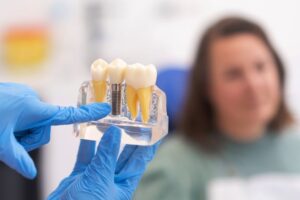
Mini dental implants are small titanium posts that are placed in the jawbone to support a replacement tooth or help hold a denture in place. They work similarly to traditional implants, but they are about half as wide. Their narrower size can make treatment accessible for some patients who have reduced jawbone volume or want a less complex procedure.
When Are Mini Dental Implants Used?
Mini dental implants are most often used to stabilize dentures. If your denture slips, clicks, rubs, or makes it hard to eat and speak with confidence, MDIs may give it a firmer foundation. When your prosthetic teeth are anchored in place, you should be able to consume a wider variety of foods, enjoy greater oral comfort, and never worry about your denture slipping out of place at the most embarrassing times.
In some cases, mini dental implants can also be used to support crowns or bridges. Your dentist will evaluate the location of your missing teeth, your bite, and the amount of available bone before recommending whether mini implants or traditional implants are the best way to support your replacement teeth.
Who Qualifies for Mini Dental Implants?
The only way to know for sure whether you qualify for mini dental implants is to schedule a consultation. During your visit, your oral surgeon will review your medical history, examine your mouth, and take detailed images of your jaw. In general, good candidates often share a few important traits:
- You are missing one or more teeth, or you struggle with an unstable denture.
- You have enough healthy jawbone to support mini implants, even if you do not qualify for traditional implants. (Often, it is possible to place MDIs even without a bone graft.)
- You are free of active gum disease.
- You are in good enough overall health for a minor oral surgery procedure.
- You do not smoke, or you are prepared to stop smoking to support proper healing.
- You want a secure, practical tooth replacement option and understand the importance of thorough oral hygiene.
Mini dental implants are an excellent option for many patients! Talk to a qualified provider to learn more about them and whether they are a good fit for your circumstances.
Meet the Practice
At Piney Point Dental Implant Center, our practice is home to three highly skilled oral surgeons. Under their direction, we offer a range of dental implant services, including MDI placement and denture stabilization. Would you like to learn more about your tooth replacement options? To request a consultation with our team, contact our Houston office at 713-597-7340.